ApproachSeptember 15, 2026
Why we start with memory
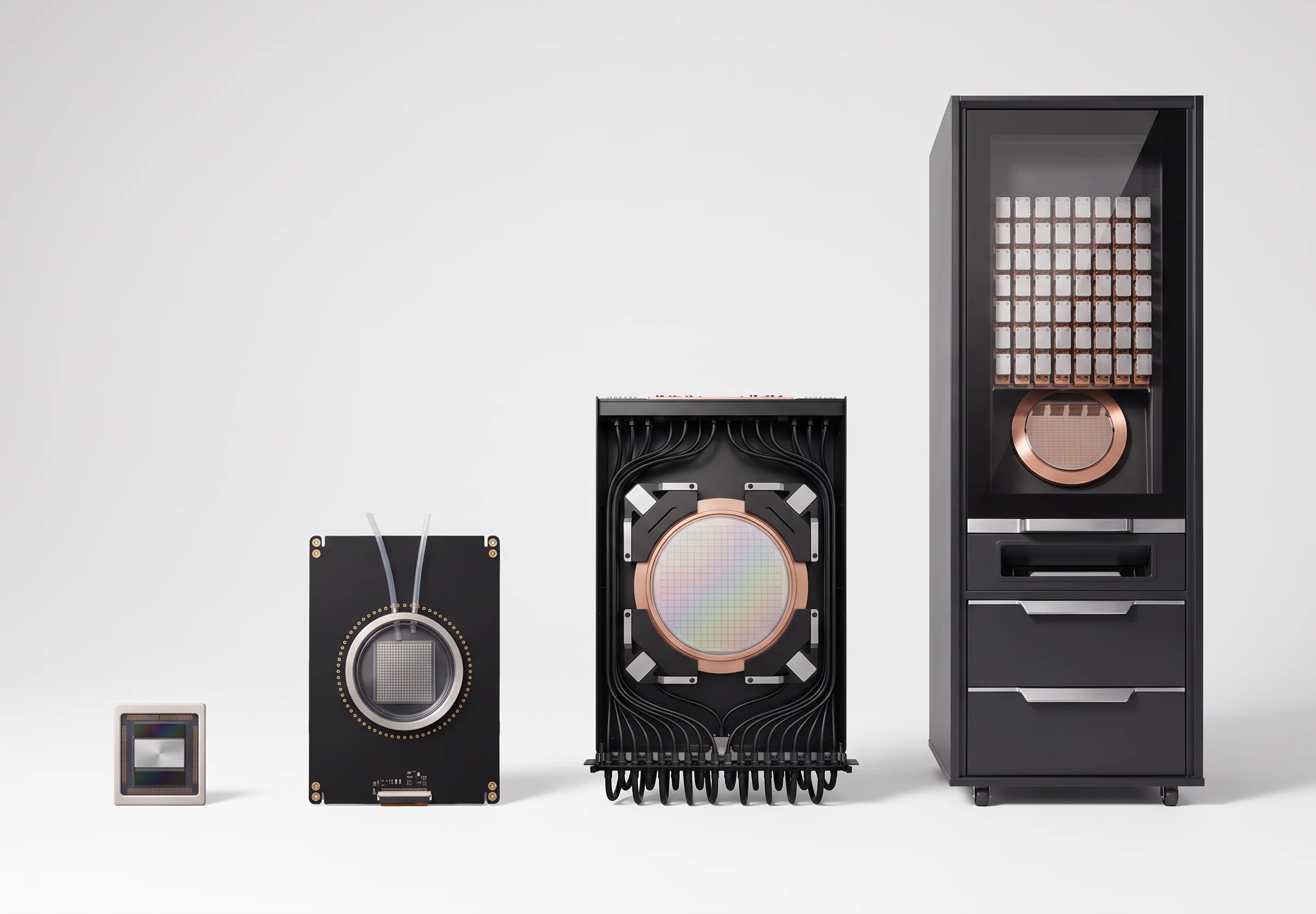
Every new way of making chips faces the same question: what happens when a step goes wrong?
A processor is unforgiving. One bad device in the wrong place can ruin the whole die. Memory is different. It is a regular grid, and the industry has decades of practice with spare rows and columns that quietly take over from bad cells.
That makes memory the right first product for a new assembly method. We check each placement, retry what missed, and route around what still fails.
One step added, nothing replaced
It also fits the way chips are made today. We start with a finished logic wafer from a foundry, add a memory layer on top of it in our own facility, and send it on. The foundry keeps its process and its customer. We add one step.
Logic built directly on memory comes later. First, the layer has to work, at scale, every time.
ApproachSeptember 15, 2026